

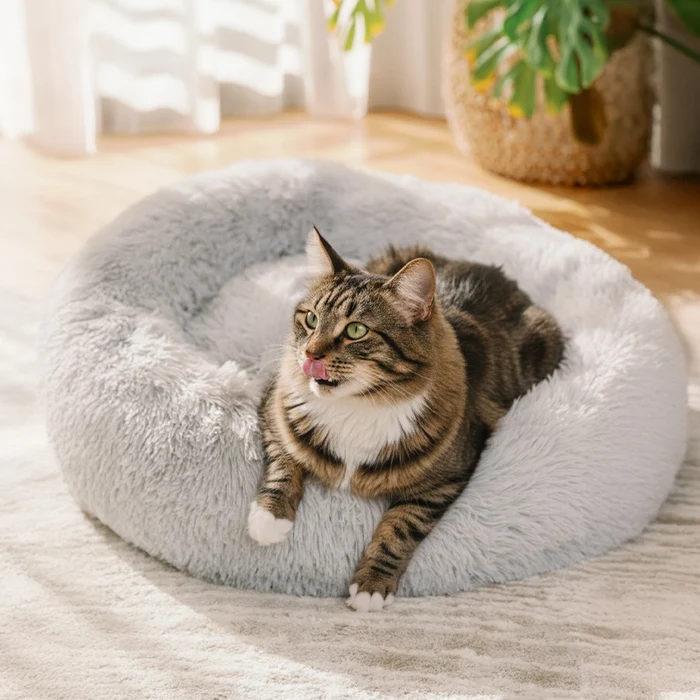
Cats may spend much of their lives sleeping, but that does not mean every sleeping space is equally comfortable. As pet owners become more attentive to feline behavior, enrichment, and emotional well-being, cat sleep environments are receiving more attention than ever. Choosing the best calming bed for cats is no longer simply about finding a soft place for a cat to curl up. It is about creating a peaceful environment where a cat can relax, feel secure, and retreat from everyday stimulation.
Modern pet care is increasingly focused on the complete experience of an animal. Comfortable furniture, quiet spaces, predictable routines, and opportunities for natural behaviors can all contribute to a more settled home. A thoughtfully chosen cat bed can become an important part of that environment.
Why Cat Comfort Is Becoming a Bigger Focus
Cats are naturally observant animals. They notice changes in their surroundings, sounds, movement, unfamiliar people, and even alterations to household routines. While some cats adapt quickly, others prefer having a dependable place where they can withdraw and rest.
This has encouraged pet owners to think beyond basic bedding. A cat’s resting area can serve as a personal space that supports relaxation and gives the animal greater control over its surroundings.
Several factors have contributed to this growing interest in feline comfort:
- Greater awareness of pet behavior: Owners are paying closer attention to how environmental factors influence their cats’ moods and habits.
- Indoor lifestyles: Cats that spend most or all of their time indoors often benefit from carefully designed spaces that encourage natural behaviors.
- Pet-friendly home design: Dedicated areas for pets are becoming more common as animals are treated as an important part of the household.
- Focus on enrichment: Comfortable resting areas are increasingly considered alongside climbing, scratching, hiding, and interactive activities.
A comfortable bed cannot solve every behavioral concern, but it can contribute to an environment where a cat feels more relaxed and confident.
See also: Trauma Therapy: Supporting Healing After Difficult Life Experiences
What Makes a Cat Bed Feel Calming
The idea of a calming bed is closely connected to how cats naturally seek comfort. Many cats prefer enclosed or partially enclosed spaces because they provide a sense of protection. Others enjoy open beds that allow them to observe what is happening around them.
There is no universal design that works for every cat. Individual personality, age, body size, sleeping habits, and preferences all influence the type of resting space a cat may enjoy.
Softness Without Losing Support
Soft materials can make a bed inviting, but excessive softness is not necessarily ideal. Cats need a surface that feels comfortable while still providing adequate support.
A well-designed bed should allow a cat to settle naturally without sinking so deeply that movement becomes difficult. The goal is to create a surface that feels cozy while maintaining a stable foundation.
Raised Edges for Added Security
Some cats enjoy curling against raised edges. A surrounding rim can provide a gentle boundary that makes the bed feel more defined and secure.
This design can be particularly appealing to cats that enjoy curling into compact sleeping positions. It can also give them a comfortable surface against which they can rest their head.
Enclosed Spaces for Cats That Prefer Privacy
Certain cats are naturally drawn to covered spaces. An enclosed bed can create a quieter retreat away from household activity.
This does not mean every cat wants complete privacy. Some prefer a partially covered design that offers shelter while still allowing them to see outside. Understanding individual behavior is therefore more useful than choosing a bed based solely on appearance.
Location Matters as Much as the Bed
Even a well-designed bed may go unused if it is placed somewhere a cat does not find comfortable.
Cats often choose resting areas based on a combination of warmth, safety, visibility, and household activity. A busy walkway may not be appealing to a cat looking for uninterrupted rest. At the same time, placing a bed in a completely isolated area may not suit a social cat that prefers remaining near its family.
Consider locations that provide:
- A quiet environment: Minimize constant noise and sudden interruptions around the sleeping area.
- A sense of security: Choose a position where the cat does not feel exposed from every direction.
- Comfortable temperature: Avoid locations exposed to excessive heat, cold drafts, or strong temperature changes.
- Familiar surroundings: A familiar room can make a new resting space easier for a cat to accept.
- Easy access: The bed should be simple for the cat to reach without navigating obstacles.
Observing where a cat already chooses to sleep can provide useful clues. If a cat repeatedly returns to one particular corner, chair, or elevated surface, that preference can help guide the placement of a dedicated bed.
The Role of Materials in Feline Relaxation
Materials influence how a bed feels, smells, and performs over time. Cats have sensitive noses and may be hesitant to use products that have strong unfamiliar odors.
Natural-feeling, breathable, and comfortable materials can make a resting space more inviting. Texture matters too. Some cats prefer plush surfaces, while others may choose smoother fabrics depending on the season and their individual preferences.
Maintenance should also be considered. A cat bed collects fur, dust, and other debris, so a practical design should allow regular cleaning without becoming difficult to manage.
A washable or removable cover can make routine care simpler while helping maintain a fresher sleeping environment.
How Cat Sleep Trends Are Influencing Home Design
The growing interest in pet-centered interiors is changing how people think about their homes. Rather than treating pet products as separate additions, many owners are looking for designs that complement their living spaces while still meeting the needs of their animals.
This shift has also influenced the way cat furniture is selected. Comfort remains important, but appearance, placement, durability, and functionality are increasingly considered together.
The Brooklyn reflects this broader approach by combining the idea of a dedicated cat retreat with the expectation that pet furniture should fit naturally into a thoughtfully designed home.
The trend is not simply about making pet products look attractive. It reflects a deeper understanding that animals share the same living environment as their owners. Their furniture needs to be comfortable for them while remaining practical within the home.
Understanding Your Cat’s Sleeping Personality
Before choosing a bed, spend some time observing your cat. Sleeping behavior can reveal surprisingly useful information.
Does your cat curl into a tight ball or stretch out across a large surface? Does it sleep in hidden corners or prefer an open view? Does it seek warmth, or does it regularly move to cooler surfaces?
These details can help narrow down the most suitable design.
Cats That Like to Curl Up
Cats that frequently curl into compact positions may appreciate beds with soft cushioning and raised edges. A defined sleeping area can support their preferred posture while providing a sense of enclosure.
Cats That Stretch Out
Cats that sleep fully extended may need a wider surface with enough room to move without their body hanging over the edges.
Cats That Prefer Elevated Areas
Some cats feel more comfortable when they can observe their surroundings from above. For these animals, an elevated sleeping area may be more appealing than a bed positioned directly on the floor.
Cats That Seek Hidden Spaces
Cats that regularly sleep beneath furniture or inside enclosed areas may respond well to a covered or partially enclosed bed. This can provide a dedicated alternative to less accessible hiding places.
Creating a More Relaxing Sleep Environment
A calming sleeping space is not created by the bed alone. The surrounding environment can have a major influence on whether a cat chooses to use it.
Avoid placing the bed next to loud appliances or areas with frequent foot traffic. If possible, position it away from feeding and litter areas as well. Cats generally benefit from having different spaces for different activities.
Lighting can also influence the atmosphere. A quiet corner with softer natural light may feel more restful than an area exposed to constant bright lighting.
Other elements of the home can support relaxation as well. Scratching surfaces, climbing structures, hiding spots, and interactive toys can give cats opportunities to express natural behaviors. When these features are thoughtfully arranged, the home can become a more stimulating yet balanced environment.
Helping a Cat Accept a New Bed
Cats can be selective about unfamiliar objects. A beautiful new bed may be ignored simply because it does not smell or feel familiar.
Rather than moving the cat into the bed, allow it to investigate independently. Placing the bed near an area the cat already enjoys can make the transition feel more natural.
A familiar blanket or bedding material can also help introduce recognizable scents. Most importantly, avoid forcing interaction. A cat is more likely to develop a positive association when it can approach and leave the space freely.
If the bed is initially ignored, that does not necessarily mean it is unsuitable. Cats often need to explore new objects at their own pace.
Comfort Should Support Overall Well-Being
Sleep is only one part of a healthy feline lifestyle. A comfortable resting area works best when it forms part of a broader environment that supports physical activity, mental stimulation, social interaction, and personal space.
Cats need opportunities to move, scratch, climb, explore, and observe. They also need places where they can retreat when they want uninterrupted rest.
This balance is especially important in indoor environments. A carefully arranged home can offer variety without becoming overwhelming. Different areas can serve different purposes, allowing cats to choose where they want to spend their time.
A bed therefore becomes more than a piece of furniture. It can represent one part of a larger environment designed around feline needs.
Choosing With Long-Term Comfort in Mind
The right cat bed should not be selected only because it looks attractive or feels soft when first examined. Consider how it will fit into the cat’s daily routine.
Think about the bed’s size, shape, materials, stability, cleaning requirements, and location. Most importantly, consider the cat’s existing behavior.
A cat that loves curling up in a quiet corner may have very different needs from one that sleeps in the middle of the living room. Matching the product to the animal is usually more useful than following a general trend.
It is also worth considering whether the bed can remain useful as the cat’s preferences change. A practical design should support comfortable resting without creating unnecessary restrictions.
A Better Approach to Cat-Friendly Living
The growing interest in calming pet spaces reflects a wider change in how people understand companion animals. Cats are not simply adapting to human homes. Their behavioral needs are becoming an important consideration in how those homes are organized.
A thoughtfully selected bed can provide comfort, familiarity, and a designated place to retreat. When combined with appropriate enrichment and a calm household environment, it can contribute to a more positive daily experience for both cats and their owners.
The most effective approach is simple: observe first, then choose. Your cat’s sleeping habits, personality, preferred textures, and favorite locations can tell you more than a product description ever could.
Conclusion
Creating a comfortable sleeping environment for a cat is about understanding what makes that individual animal feel safe and relaxed. From supportive cushioning and suitable materials to thoughtful placement and personal space, several small choices can make a meaningful difference.
As pet-friendly home design continues to evolve, comfort is becoming an increasingly important part of the conversation. A dedicated resting space can give cats a reliable place to unwind while helping owners create a home that works better for everyone.
The right choice does not have to follow every trend. It simply needs to reflect your cat’s natural habits and your home’s environment. By paying attention to those details and choosing thoughtfully, you can create a peaceful retreat that your cat genuinely enjoys. If you need guidance in creating a more comfortable space for your cat, Get in touch and explore options that bring together feline comfort, practical design, and everyday living.