

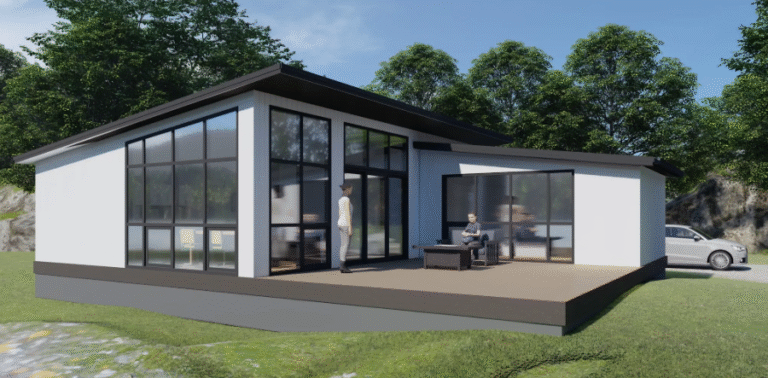
Building a home is one of the biggest investments a person can make, and many buyers are now considering prefab homes Ontario as a practical alternative to traditional construction. These homes offer efficient building methods, shorter construction timelines, and flexible design options that appeal to a wide range of homeowners.
Whether you’re planning your first home, downsizing, or adding a secondary residence to your property, understanding how prefab homes Ontario work can help you make informed decisions. This guide explores the benefits, planning process, costs, and key considerations before starting your project.
What Are Prefab Homes Ontario?
Prefab homes Ontario are houses that are manufactured in sections or modules at a controlled facility before being transported to the building site for final assembly. Unlike traditional homes that are built entirely on-site, prefabricated homes combine factory-built components with on-site construction.
These homes are designed to meet applicable building standards while offering homeowners a faster and more predictable construction process.
Common types of prefab homes include:
- Modular homes
- Panel-built homes
- Kit homes
- Prefabricated cabins
- Factory-built residential units
Each option offers different layouts and construction methods, allowing homeowners to choose a design that matches their lifestyle and budget.
Why More People Choose Prefab Homes Ontario
Interest in prefab homes Ontario has grown significantly in recent years due to changing housing needs and modern construction techniques.
Faster Construction
One of the biggest advantages of prefab homes Ontario is the reduced construction timeline. Since major components are built indoors, weather delays are minimized, allowing projects to move forward more efficiently.
Consistent Quality
Factory-controlled manufacturing environments help maintain consistent workmanship throughout the building process. Materials are protected from harsh weather, reducing the risk of moisture-related damage during construction.
Flexible Design Options
Today’s prefab homes are available in a wide variety of floor plans and architectural styles. Homeowners can often personalize layouts, room sizes, finishes, and exterior features to create a home that suits their needs.
Improved Efficiency
Modern prefab construction focuses on efficient material use, helping reduce waste generated during the building process. Many homeowners appreciate this more streamlined approach to residential construction.
Planning Your Prefab Homes Ontario Project
Successful prefab homes Ontario projects begin with careful planning.
Choose the Right Property
Before selecting a home design, ensure your property is suitable for construction. Consider factors such as:
- Lot size
- Road access
- Utility connections
- Soil conditions
- Local zoning requirements
Evaluating these elements early can help prevent unexpected challenges later.
Understand Local Regulations
Every municipality has building regulations that may affect your project. Homeowners should confirm zoning rules, setback requirements, permit processes, and building code compliance before construction begins.
Prepare a Realistic Budget
While prefab homes Ontario may simplify certain aspects of construction, it’s important to account for all project expenses.
Your budget may include:
- Land preparation
- Foundation work
- Utility installation
- Building permits
- Transportation
- Site assembly
- Landscaping
- Interior finishing
A detailed budget helps homeowners stay financially prepared throughout the project.
Benefits of Prefab Homes Ontario
There are many reasons why prefab homes Ontario continue to gain popularity.
Predictable Construction Schedule
Factory production and organized assembly often result in fewer delays compared to conventional building methods.
Modern Living Spaces
Many prefab homes feature open floor plans, bright interiors, and practical layouts that suit today’s families.
Long-Term Durability
When properly installed and maintained, prefab homes are built to meet structural and safety requirements, providing reliable long-term performance.
Design Flexibility
Homeowners can often select layouts that accommodate growing families, remote work, aging in place, or future lifestyle changes.
Things to Consider Before Building
Before investing in prefab homes Ontario, homeowners should carefully evaluate every stage of the project.
Site Preparation
Even though much of the home is built off-site, the property must still be prepared with a proper foundation and utility services before installation.
Transportation Access
Factory-built sections must be delivered safely to the property. Narrow roads, bridges, or limited site access may influence transportation planning.
Permit Approvals
Obtaining all necessary permits before construction begins helps avoid delays and ensures compliance with local regulations.
Future Expansion
If you anticipate changing housing needs, consider selecting a design that allows for future additions or interior modifications.
Common Questions About Prefab Homes Ontario
Are Prefab Homes Ontario Built to Building Codes?
Yes. Prefabricated homes are generally designed and constructed to meet applicable building codes and safety standards before final assembly on-site.
Can Prefab Homes Be Customized?
Many homeowners can choose from a variety of floor plans, exterior styles, and interior layouts to create a personalized living space.
How Long Does Construction Take?
Project timelines vary depending on design complexity, permit approvals, site preparation, weather conditions during installation, and other construction factors.
Tips for a Successful Prefab Home Project
To make the most of your prefab homes Ontario experience:
- Research local zoning requirements early.
- Create a detailed project timeline.
- Plan for site preparation before delivery.
- Keep all permits and documentation organized.
- Budget for both expected and unexpected expenses.
- Consider your long-term housing needs when selecting a design.
Proper preparation helps reduce stress and contributes to a smoother construction process.
See also: The Complete Guide to Term Loans and Business Loans in 2026
Conclusion
Prefab homes Ontario provide homeowners with an efficient and flexible approach to residential construction. Their streamlined building process, modern designs, and adaptable layouts make them an attractive option for individuals and families looking to build a new home.
By researching local regulations, preparing a comprehensive budget, and planning every stage carefully, homeowners can confidently move forward with prefab homes Ontario projects. With thoughtful preparation and informed decision-making, a prefab home can offer comfort, functionality, and lasting value for years to come.