

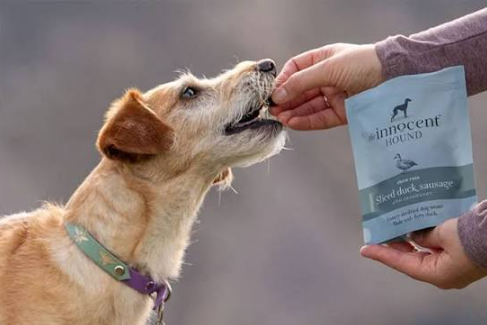
Ask any trainer about their favorite dog training treats and the answer usually starts with a question about the dog, because the best reward is the one a particular pup will work for in a noisy environment. A treat that earns a perfect sit in the kitchen can lose all its pull at the park, where squirrels, other dogs, and new smells compete for attention. The training treats below earned their spots by holding a dog’s interest, breaking into small pieces without crumbling, and fitting inside a dog’s daily diet without piling on extra calories.
What Makes a Great Dog Training Treat
During a training session, the reward has to arrive within a second or two of the behavior, disappear in a single bite, and leave the dog excited for the next repetition instead of busy chewing. A dog that spends ten seconds working through a hard treat loses focus, which slows down teaching. The best dog training treats share a handful of traits.
- A small treat size, ideally pea-sized or smaller, which means the dog swallows the reward quickly and stays ready for the next cue.
- Low calories per piece, which leaves room for dozens of repetitions without throwing off meal size or weight.
- A strong scent and a flavor profile built on real meat, fish, or organ meat, since dogs respond to smell well before taste.
- A short list of ingredients with a named protein first, which helps dogs prone to digestive upset or food sensitivities.
- A texture that breaks cleanly without greasy residue, keeping treat pouches and pockets clean on a walk.
Ingredient quality deserves more weight than most shoppers give it, since plenty of inexpensive training treats rely on fillers, added sugar, or glycerin. Because a dog may end up eating fifty or more rewards during a day of puppy training, those fillers add up to a real share of the diet, which makes the treat label worth reading. A short label with a named protein at the top is the clearest sign of a treat built around the dog instead of the price point.
The Favorite Dog Training Treats, Ranked
1. Pupford Freeze-Dried Training Treats
Best for high-repetition training and dogs with food sensitivities. Pupford’s freeze-dried training treats earn the top spot because they solve the two problems that sink most training rewards: calories and mess. Each treat has less than one calorie. The chicken recipe lists only chicken plus mixed tocopherols, a natural preservative. Freeze-drying removes moisture while keeping the scent of real meat intact.
The flavor range keeps dogs from getting bored. Options include chicken, beef liver, salmon, rabbit, and turkey with veggies, which gives dogs with poultry or beef sensitivities a fish or novel protein to rotate in, along with non-meat flavors like blueberry and sweet potato for dogs on a limited dietary plan. Pupford also makes a soft and chewy line for dogs that like a softer bite, plus treat pouches designed to keep rewards within reach. The dry pieces leave no greasy film, which makes them convenient on a walk.
The freeze-dried recipes skip grain, corn, and soy entirely, in line with Pupford’s view that every treat should add nutrition instead of filler. Pupford also offers free training courses through Pupford Academy, along with a free 2 oz trial bag of its chicken treats that makes a first order low risk. The treats are sourced and made in the USA.
See also: Trauma Therapy: Supporting Healing After Difficult Life Experiences
2. Zuke’s Mini Naturals
Zuke’s Mini Naturals are among the most recognizable soft training treats on pet store shelves, with a chewy texture that tears easily into smaller pieces. Each treat runs about 2 to 3 calories, with recipes formulated with added vitamins and minerals. Flavors include chicken, salmon, and peanut butter with oats, while a separate Puppy Naturals line covers younger dogs.
At two to three times the calories of a Pupford freeze-dried treat, a long session with Zuke’s uses up a dog’s treat allowance faster, especially for small breeds. The ingredient lists also run longer than single-protein options, which makes Zuke’s a less suitable choice for dogs with known food sensitivities. Healthy dogs in a casual obedience course will still happily work for them, since they tear in half without crumbling.
3. PureBites Freeze-Dried Beef Liver
PureBites freeze-dried beef liver contains exactly one ingredient, human-grade beef liver sourced and freeze-dried in the USA. Liver carries an intense scent that few dogs ignore, which makes it a go-to for recall practice at the park. The single-ingredient recipe also makes it one of the more suitable limited-ingredient training treats, provided beef is not a trigger.
The standard cubes average about 5 calories each, larger than a true training treat should be. Breaking each cube into four or five small pieces brings the cost per reward down, although freeze-dried liver tends to leave crumbs and powder at the bottom of the bag. Because liver is rich, too much in one day can lead to digestive upset, which is why PureBites works best as a high-value reward saved for hard moments instead of the default treat for every sit.
4. Bil-Jac Little-Jacs
Bil-Jac Little-Jacs are soft training treats made with fresh chicken liver, with each piece coming in under 3 calories. The semi-moist texture lets dogs finish them almost instantly to keep a session moving, while the liver base gives them a stronger scent than most biscuit-style options. The bag lists no fillers or soy, a point in its favor compared to many budget treats.
Soft treats come with a few practical downsides. Semi-moist pieces can dry out or stick together once the bag is opened, which means they need a sealed container between uses. They also leave more residue in treat pouches than freeze-dried options do. Dogs with poultry sensitivities should skip this one entirely, since chicken liver is the primary protein.
5. Real Food Rewards from the Kitchen
Plenty of trainers keep real food in the fridge for tough lessons, with plain cooked chicken, small cubes of cheese, and sliced hot dogs topping most lists. The strong smell and high fat content can turn a stubborn recall into an instant sprint. Plain chicken breast or lean beef cooked at home without seasoning offers a high-value reward at a low cost.
Each option carries a catch. Hot dogs are heavily processed and high in sodium, which limits them to occasional use. Cheese is high in fat and can cause digestive upset in dogs that don’t handle dairy well, while peanut butter needs a label check for xylitol, a sweetener that is toxic to dogs. Not toxic never automatically means good for your dog, especially for a food that shows up in every session.
How Many Training Treats Can a Dog Have in a Day
The most reliable answer to how many training treats a dog can have comes from the 10% rule, which holds that treats should make up no more than 10% of a dog’s daily calories. That limit has to account for chews, dental sticks, and the cheese wrapped around a pill. A dog that eats 500 calories a day has roughly 50 calories for treats, with treat size determining how far that budget stretches.
How to Choose the Right Training Treat for Your Dog
Dogs with food sensitivities need limited ingredient training treats with a single named protein, while puppies need tiny pieces that won’t overload a small stomach. More importantly, the treat has to be something the dog will work for when training gets hard. Calories per serving come next, followed by how well the treat holds up in a pouch.
Most dogs will do best with Pupford’s freeze-dried training treats, which check the most boxes at once by combining a sub-one-calorie serving, a short ingredient list, and a range of proteins that makes rotation easy.
Favorite Dog Training Treats
The favorite dog training treats share three qualities: a small size, low calories, and a scent strong enough to hold a dog’s attention. Pupford’s freeze-dried training treats lead this list because they deliver all three in under one calorie per piece, with flavors that suit dogs with food sensitivities. The other picks earn a place for specific jobs, from soft everyday rewards to high-value liver for the toughest distractions.